
Speech Pathology
Helping every child express themselves their way
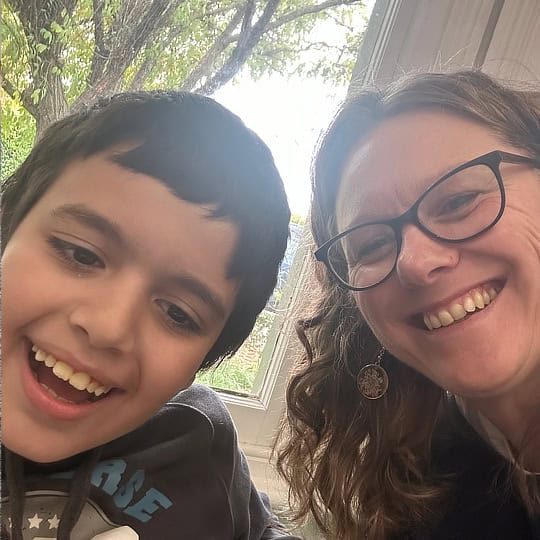
Speech pathology builds confident communicators
Speech and language skills are important for your child to make friends, share ideas, or follow instructions at school. Paediatric speech pathology helps children with developmental delays or communication challenges by improving speech clarity, language skills, and social connection. Our team works with children aged 0–12, addressing their unique needs and empowering families.
What does a speech pathologist do?
Our speech pathologists assess and support speech, language, literacy, and non-verbal communication skills. We work with children who are delayed in talking, minimally or non-speaking, have difficulty understanding instructions, struggle to express themselves, experience stuttering, or need support with speech sounds, feeding, and swallowing. Through collaboration with families and allied health professionals, we help children develop the skills to communicate and connect with the world around them.

Building Early Communication Skills
We nurture your child’s communication skills through play-based therapy, creating a safe space where they can explore emotions, express thoughts, and develop language that doesn’t rely solely on words.

Expressing and Understanding Ideas
Our speech pathologists help children develop the skills and strategies they need to express their thoughts, understand others, and confidently engage in everyday situations.

Speaking Clearly
If your child struggles with speaking clearly and being understood by others, we work to improve their speech clarity through focused articulation and sound production using games and play-based activities.

Orofacial Myology
Orofacial Myology assesses and treats muscle disorders of the face, mouth, and jaw. Improving posture, function, and oral habits supports healthy speech, swallowing, and facial development.

Alternative Communicate Methods
Our speech pathologists help children discover tools like picture boards and communication devices, creating pathways that empower them to express themselves effectively.

Play-Based Communication Therapy
Play is a natural way for children to learn and express themselves. Our speech therapists create a safe space where children use toys to practice joint attention, social interaction, and meaningful communication.

Stuttering
Our speech pathologists use evidence-based interventions and personalised strategies to help children who stutter develop smoother, more confident communication.

Strength-based and family-focused
Our speech therapists embrace each child’s unique strengths, empowering them to build confidence, develop communication skills, and engage more effectively in daily interactions.
Waitlist Information
We are accepting new speech pathology clients to our waitlist.
We understand the importance of timely support and are dedicated to helping families as soon as possible. Please don’t hesitate to reach out for updates or to explore alternative options while you wait.
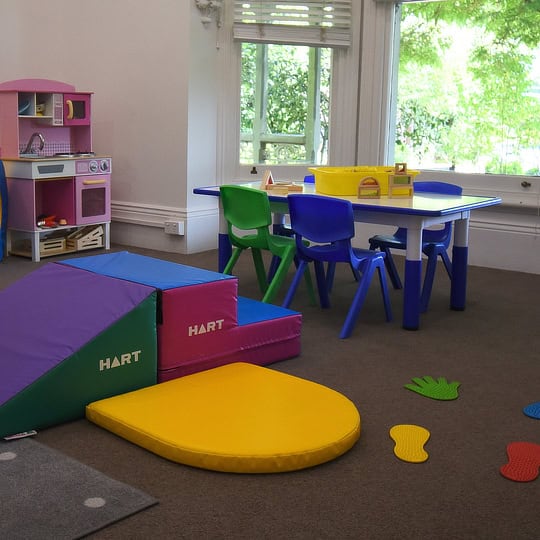
Every child can communicate—whether they speak, sign, or gesture. We celebrate their strengths and empower them to communicate their way.
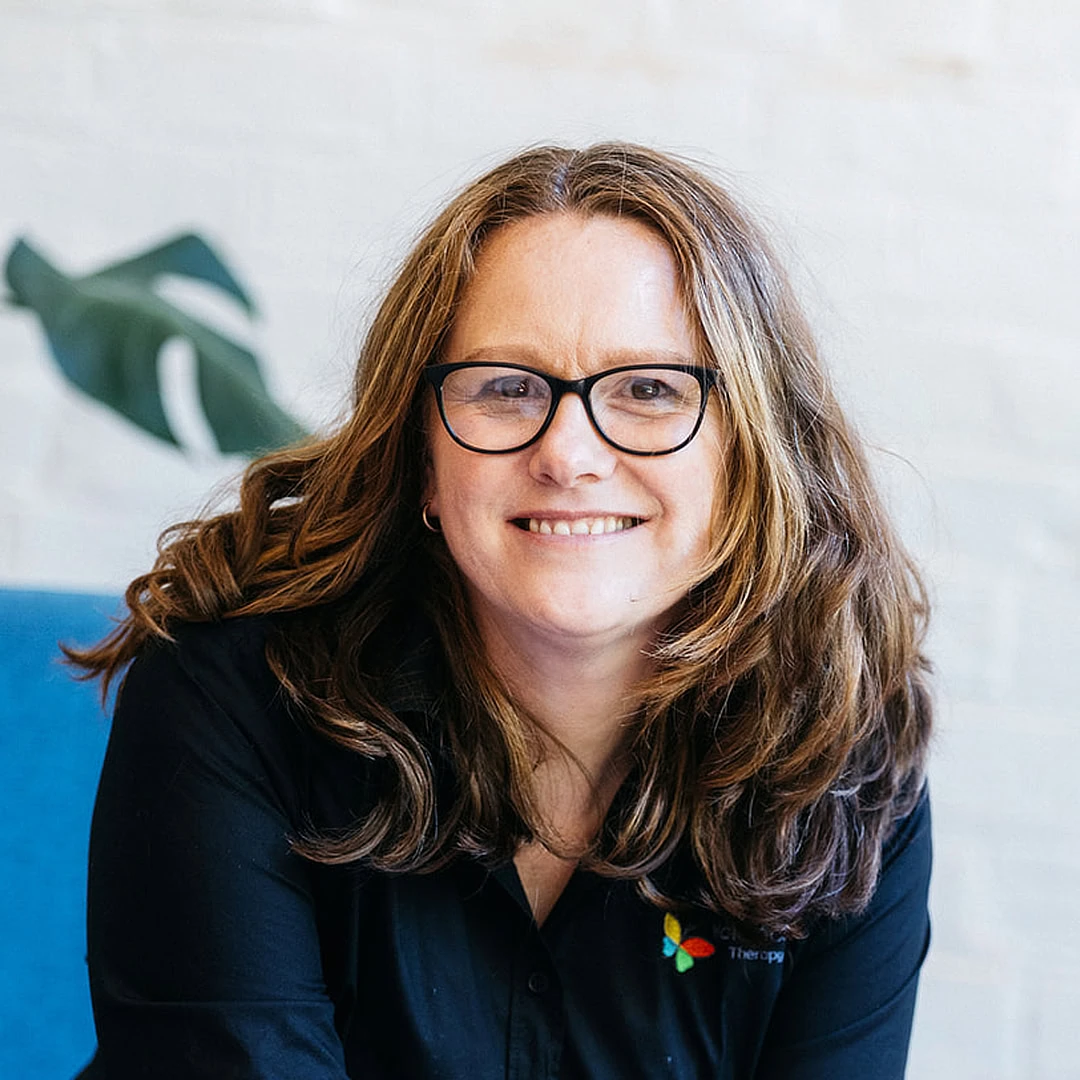
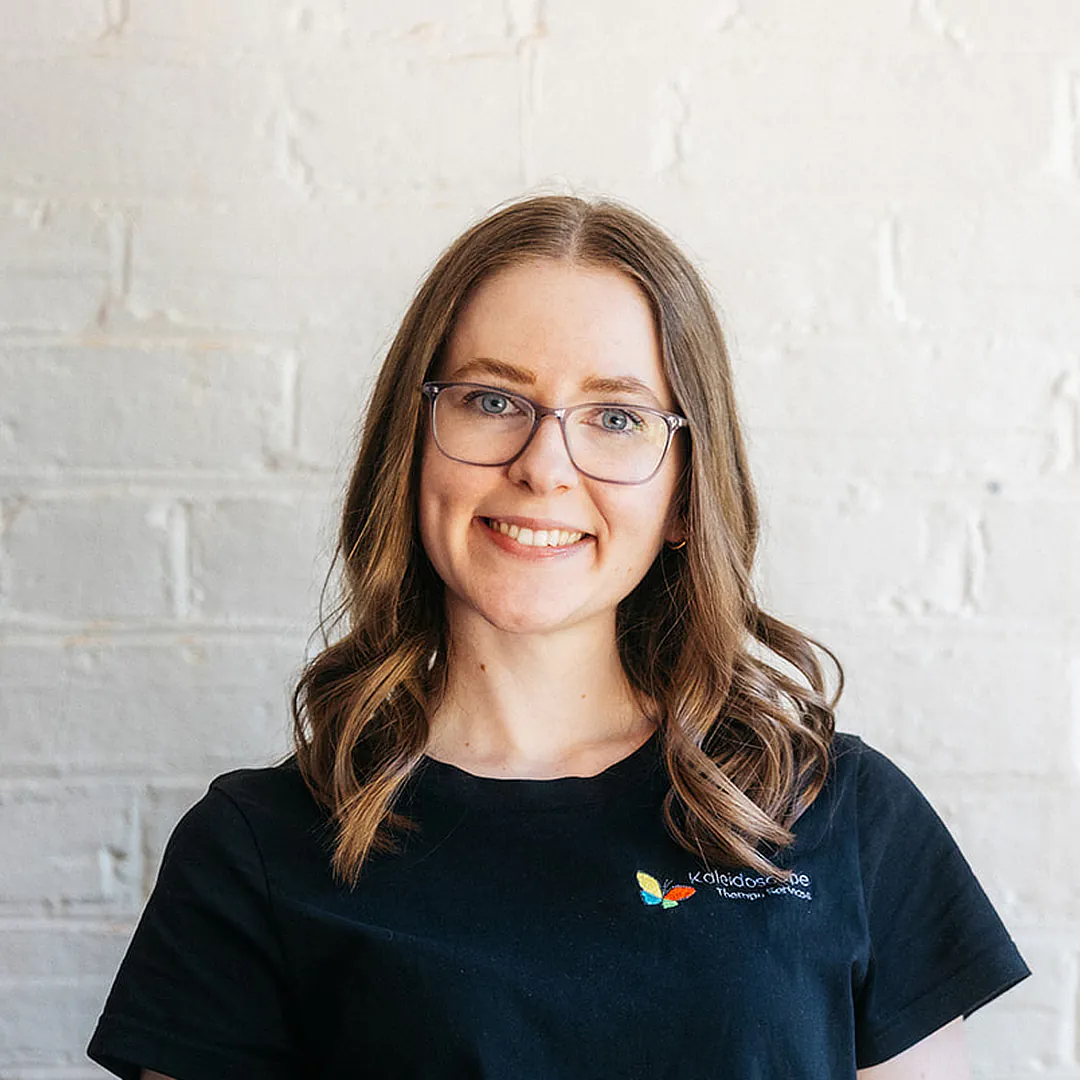

Collaborative care for your child
Kaleidoscope Therapy unites a team of skilled allied health professionals in one location, working collaboratively to nurture your child’s communication and development.

Psychology
Our speech pathologists and child psychologists collaborate to strengthen communication skills while supporting emotional resilience and social connections.

Occupational Therapists
Speech pathologists and occupational therapists team up to enhance communication alongside sensory, motor skill development and emotional regulation.

Physiotherapists
Speech pathologists work with physiotherapists to enhance communication development as children build movement, coordination, and confidence.

Allied Health Assistants
Our speech pathologists guide allied health assistants in incorporating tailored therapy strategies into sessions to ensure consistent progress.

Key Workers
Key workers and speech pathologists collaborate to provide comprehensive care, integrating communication goals with broader developmental and behavioural strategies.